Iceland Adventure Travel Guide 2026
The complete Iceland adventure travel guide for 2026. Glacier hiking, ice caves, hot springs, whale watching, and the highlands with costs and logistics.

This post may contain affiliate links. Disclosure
Iceland Adventure Travel Guide 2026
Updated for 2026 — Accurate as of February 2026.
Iceland is a geological laboratory the size of a small US state, and nearly everything you do here feels like an adventure. Walk on glaciers that are retreating before your eyes. Hike through valleys carved by volcanic eruptions that happened within living memory. Swim in geothermally heated rivers in the middle of a snow-covered wilderness. Watch humpback whales breach from a small boat in an Arctic fjord. Snorkel between tectonic plates in water so clear it does not seem to exist.
The country has roughly 380,000 residents and receives approximately 2 million visitors per year, drawn by landscapes that are genuinely unlike anywhere else on Earth. Iceland sits on the Mid-Atlantic Ridge where the North American and Eurasian tectonic plates are pulling apart, creating a landscape of active volcanoes, geothermal fields, lava deserts, glaciers, and black sand beaches.
I have visited Iceland three times, most recently in September 2025, and each visit has delivered experiences I have not found elsewhere on the planet. This guide focuses on the adventure activities that make Iceland unique, with honest cost assessments and practical logistics.
Glacier Adventures
Iceland has Europe’s largest ice cap (Vatnajokull, 8,100 square kilometers) and several smaller glaciers. Glacier activities are among the most popular and most worthwhile adventure experiences in the country.
Glacier Hiking
Guided glacier hikes take you onto the ice itself, walking on crampons across crevasse fields, past ice formations colored blue and black by compressed air and volcanic ash, and along the edges of glacial lagoons. No prior experience is required; guides provide all equipment and instruction.
The most accessible glacier hiking is on Solheimajokull (south coast, 2.5 hours from Reykjavik) and the Svinafellsjokull outlet of Vatnajokull (southeast coast, 4.5 hours from Reykjavik). Both offer 2-4 hour guided hikes that give you a genuine glacial experience.
Cost: 2-hour glacier walk from 10,000-15,000 ISK (70-105 USD). Half-day glacier expedition from 20,000-30,000 ISK (140-210 USD). Operators: Icelandic Mountain Guides, Arctic Adventures, Glacier Guides Skill level: Beginner-friendly (guides provide crampons, ice axes, and helmets) Best season: Year-round (ice conditions vary seasonally)
Ice Caves
Natural ice caves form inside glaciers when meltwater carves tunnels through the ice. The resulting spaces are cathedral-like, with walls and ceilings of blue, white, and black ice illuminated by diffused daylight. Ice caves are accessible only in winter (November through March) when the caves are stable; summer melt makes them dangerous.
The crystal ice caves of Vatnajokull are the most famous and spectacular, accessible from Jokulsarlon glacier lagoon. Tours run daily when conditions permit and include a super jeep ride to the glacier and a guided walk inside the cave.
Cost: Ice cave tours from 20,000-30,000 ISK (140-210 USD) including transport from Jokulsarlon Best season: November through March Important: Natural ice caves change every year. Their location, size, and accessibility depend on glacial movement and weather. Tours are weather-dependent and may be cancelled.
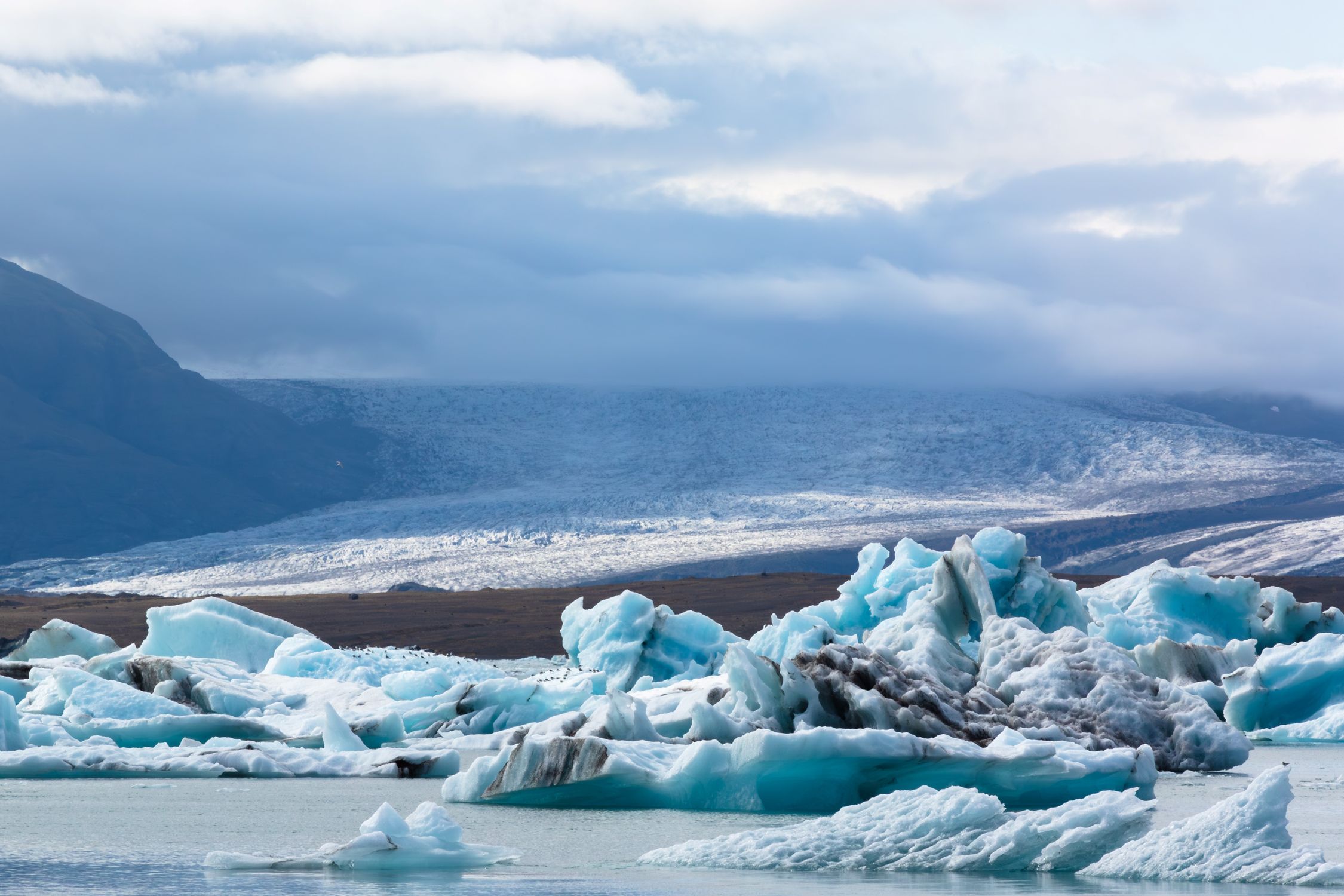 Photo credit on Pexels
Hot Springs and Geothermal Swimming
Iceland’s geothermal activity creates hot water everywhere, and the Icelandic tradition of bathing in naturally heated water is one of the country’s greatest pleasures. Beyond the famous (and crowded) Blue Lagoon, there are dozens of natural hot springs, geothermally heated rivers, and public swimming pools across the country.
Best Hot Springs Experiences
Reykjadalur Hot River (free): A 45-minute hike from the village of Hveragerdi leads to a geothermally heated river where you can soak in warm flowing water surrounded by steaming hillsides. Free. Bring a towel and swimsuit.
Landmannalaugar (free): A natural hot pool in the rhyolite mountains of the central highlands. Accessible by 4x4 in summer (late June through September). The combination of colorful volcanic mountains and warm water is extraordinary. Free. Basic camping available.
Myvatn Nature Baths (5,500 ISK / 38 USD): The north’s answer to the Blue Lagoon, with a fraction of the crowds. Geothermally heated lagoon with silica-rich water overlooking Lake Myvatn. Significantly more relaxed and authentic than the Blue Lagoon.
Seljavallalaug (free): An old swimming pool built into a hillside in south Iceland, fed by natural hot water. A 15-minute walk from the road. Free, unmaintained, and wonderfully atmospheric.
Sky Lagoon (Reykjavik, from 6,990 ISK / 49 USD): A modern geothermal spa with an infinity pool overlooking the ocean. More expensive but less industrial than the Blue Lagoon.
The Highlands: Iceland’s Interior
The central highlands of Iceland are a vast, uninhabited volcanic desert that is accessible only during summer (late June through September) via rough mountain roads (F-roads) that require 4x4 vehicles. The landscape is alien: black lava deserts, colorful rhyolite mountains, glacial rivers, and an emptiness that makes you feel like the last person on Earth.
Laugavegur Trail
The Laugavegur is Iceland’s most famous multi-day trek, connecting Landmannalaugar to Thorsmork over 55 km (3-4 days). The trail passes through rhyolite mountains painted in yellows, reds, and greens; black obsidian lava fields; glacial valleys; and river crossings that can be thigh-deep.
Distance: 55 km (often extended to 77 km with the Fimmvorduhals extension to Skogar) Duration: 3-4 days (Laugavegur alone), 5-6 days (with Fimmvorduhals) Difficulty: Moderate to challenging (river crossings, weather exposure, navigation) Huts: Mountain huts operated by FI (Ferdalag Islands) along the trail. From 10,000-12,000 ISK per night. Book well in advance (reservations open in January for the summer season). Camping: Permitted at hut locations. From 2,500-3,000 ISK per night. Best season: Late June through early September Getting there: Scheduled buses from Reykjavik to Landmannalaugar and from Thorsmork to Reykjavik.
Whale Watching
Iceland is one of the best whale watching destinations in the world. Humpback whales, minke whales, blue whales (the largest animals ever to have lived), orcas, and dolphins are all present in Icelandic waters at various times of year.
Husavik (north coast): The whale watching capital of Iceland. Humpback whales are present from April through November, with the highest concentration in June through August. Sighting rates exceed 95 percent during peak season. Tours from 10,000-12,000 ISK (70-84 USD). Blue whales are occasionally seen in summer.
Reykjavik: Whale watching tours run year-round from the old harbor. Humpback and minke whales from April through October. Orcas in winter. Tours from 11,000-14,000 ISK (77-98 USD).
Westfjords: Orca sightings from November through March, feeding on herring in the fjords. Less accessible but more intimate encounters with fewer tourists.
Snorkeling at Silfra
Silfra, in Thingvellir National Park, offers snorkeling (or diving) between the North American and Eurasian tectonic plates in glacial meltwater with visibility exceeding 100 meters. The water is 2-4 degrees Celsius year-round, and you snorkel in a dry suit. The experience is not about marine life (there is almost none) but about floating through an underwater landscape of extraordinary clarity.
Cost: Guided snorkeling tour from 16,000-22,000 ISK (112-154 USD) including dry suit, equipment, and guide Duration: 2-3 hours (including briefing and suiting up; 30-40 minutes in the water) Getting there: 45-minute drive from Reykjavik in Thingvellir National Park Skill level: Beginner-friendly (you float through the fissure with minimal effort)
Cost Breakdown: What Iceland Actually Costs
Iceland is expensive. There is no way around this. But there are strategies to manage costs:
| Expense | Budget | Mid-Range | Premium |
|---|---|---|---|
| Accommodation per night | 5,000-8,000 ISK (campsite/hostel dorm) | 15,000-25,000 ISK (guesthouse) | 30,000-60,000 ISK (hotel) |
| Food per day | 4,000-6,000 ISK (cooking/hot dogs) | 8,000-15,000 ISK (restaurants) | 20,000-40,000 ISK (fine dining) |
| Car rental per day | 8,000-12,000 ISK (small car) | 15,000-25,000 ISK (SUV/4x4) | 30,000-50,000 ISK (campervan) |
| Activities | Free-15,000 ISK (hot springs, hiking) | 15,000-30,000 ISK (guided tours) | 30,000-80,000 ISK (helicopters, premium tours) |
Budget tips:
- Bring a tent and camp (campsites from 1,500-2,500 ISK per person)
- Cook your own food using a camp stove or hostel kitchen (groceries from Bonus and Kronan supermarkets)
- Focus on free activities: hiking, hot springs, wildlife watching
- Rent the smallest car that will do the job (a small 2WD is sufficient for the Ring Road in summer)
- Bring snacks and a water bottle from home (tap water is excellent everywhere in Iceland)
A realistic budget for a 10-day Iceland adventure trip: 250,000-400,000 ISK (1,750-2,800 USD) for a budget traveler camping and cooking, excluding flights.
Best Itinerary: The Adventure Ring Road (10-14 Days)
Day 1-2: Reykjavik, Golden Circle, Silfra snorkeling Day 3: South coast waterfalls (Seljalandsfoss, Skogafoss), Reykjadalur hot river Day 4: Vik, Reynisfjara black sand beach, Eldhraun lava field Day 5: Skaftafell glacier hike, Jokulsarlon glacier lagoon Day 6: East fjords (driving day through remote coastal villages) Day 7: Myvatn area (lava formations, Grjotagja cave, Myvatn Nature Baths) Day 8: Husavik whale watching, Dettifoss waterfall Day 9: Akureyri, drive to Snaefellsnes Peninsula Day 10: Snaefellsnes (Kirkjufell, Djupalonssandur beach, Snaefellsjokull glacier) Day 11: Return to Reykjavik
This itinerary follows the Ring Road (Route 1, 1,322 km) and covers Iceland’s major adventure highlights. Add 3-4 days for the Laugavegur trek, the Westfjords, or the Highlands if time permits.
The Westfjords: Iceland’s Last Frontier
The Westfjords are the most remote and least-visited region of Iceland, a peninsula of deep fjords, towering sea cliffs, and Arctic tundra that receives only 10 percent of Iceland’s tourists. Driving the Westfjords is an adventure in itself: narrow gravel roads cling to cliff edges, single-lane tunnels pass through mountains, and the distances between services can be 100+ km.
The Hornstrandir Nature Reserve, accessible only by boat from Isafjordur, is the most pristine wilderness area in Iceland. There are no roads, no permanent inhabitants, and no infrastructure beyond a few emergency huts. Hiking here (3-7 days) puts you in a landscape shared with Arctic foxes, seabird colonies, and absolutely no other people.
The Latrabjarg bird cliffs, the westernmost point of Europe, host millions of nesting seabirds including puffins, which are approachable to within arm’s length during the nesting season (May-August). The Dynjandi waterfall, cascading 100 meters down a mountainside in a series of widening tiers, is one of the most beautiful waterfalls in Iceland and is often completely empty of visitors.
Best season: June through August (many roads are closed or impassable outside this window) Getting there: Drive from Reykjavik (5+ hours to Isafjordur) or fly to Isafjordur (45 minutes from Reykjavik domestic airport) Where to stay: Isafjordur has guesthouses from 10,000 ISK (70 USD). Remote farmstays from 12,000 ISK.
Northern Lights Chasing
Iceland is one of the premier destinations for viewing the aurora borealis, and combining northern lights with adventure activities creates a unique winter experience. The aurora is visible from late September through late March, with the best viewing conditions during clear, dark nights away from Reykjavik’s light pollution.
Best viewing strategies:
- Stay in rural Iceland (north coast, east coast, or Snaefellsnes) where light pollution is minimal.
- Check the Icelandic Met Office aurora forecast daily.
- Be patient. Cloudy nights are common. Plan at least 3-4 nights in Iceland for a reasonable chance of seeing the aurora.
- Combine with other winter activities: glacier hiking, ice caving, snowmobiling on glaciers, or soaking in a hot spring under the aurora.
Guided aurora tours from Reykjavik: From 7,000-10,000 ISK (49-70 USD). These tours chase clear skies by driving 1-2 hours from the city.
Practical Tips for Iceland Adventure Travel
Driving: A rental car is essential for most adventure activities outside Reykjavik. The Ring Road (Route 1) is paved and manageable in a regular car in summer. F-roads (mountain roads) require a 4x4 and are open only from late June to September. Never drive off-road; it is illegal under Icelandic road and nature protection laws and damages the fragile landscape.
Weather preparedness: Icelandic weather changes rapidly. Carry warm layers, windproof and waterproof outer layers, and sturdy footwear on every outing, even in summer. Wind chill is severe: a 10-degree day with a 40 km/h wind (common) feels like below zero.
Daylight: In midsummer (June), Iceland has 24 hours of daylight. In midwinter (December), you get only 4-5 hours of dim twilight. Plan activities accordingly. The shoulder months (September-October, March-April) offer a good balance of daylight, aurora potential, and accessible conditions.
Water: Icelandic tap water is some of the best in the world. Fill your water bottle from any tap. Do not buy bottled water.
Environmental responsibility: Iceland’s ecosystems are fragile. Stay on marked trails, do not disturb wildlife, and follow Leave No Trace principles. The moss that covers much of Iceland’s lava fields takes decades to recover from trampling.
Horseback Riding on Icelandic Horses
Icelandic horses are a unique breed, small and sturdy, with a distinctive fifth gait called the tolt, a smooth, ground-covering pace that allows you to ride for hours without fatigue. Riding through Icelandic landscapes on these gentle, surefooted horses is one of the country’s signature experiences.
Guided rides range from 1-hour introductory sessions (from 8,000 ISK / 56 USD) to multi-day treks through the highlands (from 150,000 ISK / 1,050 USD for 5 days). The rides pass through lava fields, volcanic terrain, river valleys, and black sand deserts, with overnight stays in mountain huts or farmsteads.
Recommended operators: Ishestar, Laxnes Horse Farm, Eldhestar Best season: June through August for highland rides. Year-round for shorter rides near Reykjavik.
You Might Also Like
Get the best ThrillStays tips in your inbox
Weekly guides, deals, and insider tips. No spam, unsubscribe anytime.