Yoga and Adventure Travel Retreats 2026
The best yoga and adventure travel retreats for 2026. Surf and yoga in Bali, hiking and yoga in Nepal, and multi-sport retreats that combine movement and mindfulness.

This post may contain affiliate links. Disclosure
Yoga and Adventure Travel Retreats 2026
Updated for 2026 — Accurate as of February 2026.
The yoga retreat industry has evolved far beyond silent meditation in a rural ashram. In 2026, the fastest-growing segment is the adventure yoga retreat: trips that combine serious yoga practice with serious outdoor adventure. Surf and yoga in Costa Rica. Trek and yoga in Nepal. Climb and yoga in Spain. Mountain bike and yoga in Morocco. These hybrid retreats recognize that physical adventure and mindful practice are not opposites but natural complements.
The logic is sound. Adventure activities push you physically and mentally, creating stress, muscle tension, and adrenaline. Yoga provides recovery, flexibility, breath work, and mental clarity. The combination creates a travel experience that is more satisfying than either activity alone: you surf all morning, practice yoga in the afternoon, and finish the day feeling both exhilarated and centered.
The global wellness tourism market reached 817 billion USD in 2025, according to the Global Wellness Institute, and adventure-yoga hybrid retreats have been one of its fastest-growing niches. Hundreds of operators now offer multi-day retreats that pair yoga with everything from kitesurfing to rock climbing to whitewater kayaking. The quality varies enormously, from genuinely transformative experiences with expert yoga teachers and world-class adventure guides to Instagram-oriented retreats where the yoga is an afterthought and the adventure is a marketing gimmick.
I have attended five adventure yoga retreats across four countries over the past three years, and this guide distills what I learned about finding the good ones, avoiding the bad ones, and getting the most out of the experience.
What Makes a Great Adventure Yoga Retreat
The best retreats get three things right:
1. The yoga is taught by a qualified, experienced teacher. A 200-hour Yoga Alliance teacher training certificate is the minimum standard for a yoga teacher. Better retreats feature teachers with 500+ hours of training, years of teaching experience, and the ability to adapt their classes to a range of abilities (from complete beginners to advanced practitioners). The teacher should be the primary reason you book the retreat, not an afterthought.
2. The adventure is led by qualified, local guides. The adventure component should be as good as a standalone adventure trip. If the retreat includes surfing, the surf coaches should be qualified instructors. If it includes trekking, the guides should know the terrain. Beware retreats where the yoga teacher also doubles as the adventure guide. That is almost always a sign that neither activity will be done well.
3. The schedule allows for rest. A good retreat balances activity with recovery. A bad retreat crams every hour with scheduled activities, leaving you more exhausted than when you arrived. Look for retreats with built-in free time, optional activities, and a pace that allows for naps, reading, and simply being present.
Surf and Yoga Retreats
Surf and yoga is the original adventure-yoga combination and still the most popular. The physical demands of surfing (paddle strength, flexibility, balance, breath control) align naturally with yoga practice, and the beach lifestyle creates an ideal retreat setting.
Bali, Indonesia
Bali remains the world’s surf and yoga capital, with an ecosystem of retreat centers, yoga shalas, and surf schools that is unmatched anywhere. The Bukit Peninsula (Uluwatu, Bingin, Padang Padang) offers world-class waves for experienced surfers, while Canggu and Seminyak have beach breaks suitable for beginners and intermediates.
Recommended retreats:
- The Practice Bali (Canggu): Dedicated yoga space with surfing arranged through local surf schools. 7-day retreat from 800-1200 USD including accommodation, daily yoga, and 3 surf sessions.
- Surf and yoga packages at independent villas: Numerous operators in Canggu and Uluwatu offer self-organized packages. Accommodation from 15 USD per night, yoga classes from 10 USD, surf lessons from 35 USD. Total DIY retreat cost: 350-500 USD for a week.
Best season: April through October (dry season, most consistent swells for the south coast) Where to stay: Canggu for beginners, Uluwatu for intermediates and above Getting there: Fly to Ngurah Rai International Airport (DPS)
Portugal (Ericeira and Algarve)
Portugal has emerged as Europe’s premier surf and yoga destination, with the Ericeira coast north of Lisbon and the Algarve in the south offering excellent waves, a strong yoga community, and a quality of life (food, wine, culture, climate) that makes the retreat experience deeply enjoyable.
Recommended retreats:
- Ericeira surf and yoga camps: Multiple operators offering 7-day packages from 600-1000 EUR including accommodation, daily yoga, daily surf coaching, and meals.
- Algarve retreats: Warmer water, mellower waves, and a more relaxed vibe. Packages from 500-900 EUR for a week.
Best season: Year-round (biggest waves October-March, warmest water July-September)
Sri Lanka
Sri Lanka offers warm water, consistent waves on both coasts (south coast October-April, east coast April-October), and a yoga tradition that predates the modern retreat industry. The south coast towns of Weligama, Mirissa, and Hiriketiya have developed a surf-yoga culture that rivals Bali at a fraction of the cost.
Retreat cost: 7-day packages from 400-700 USD including accommodation, daily yoga, daily surf coaching, and meals Best season: November through April (south coast) Where to stay: Hiriketiya (quieter, fewer tourists), Weligama (bigger surf town, more options)
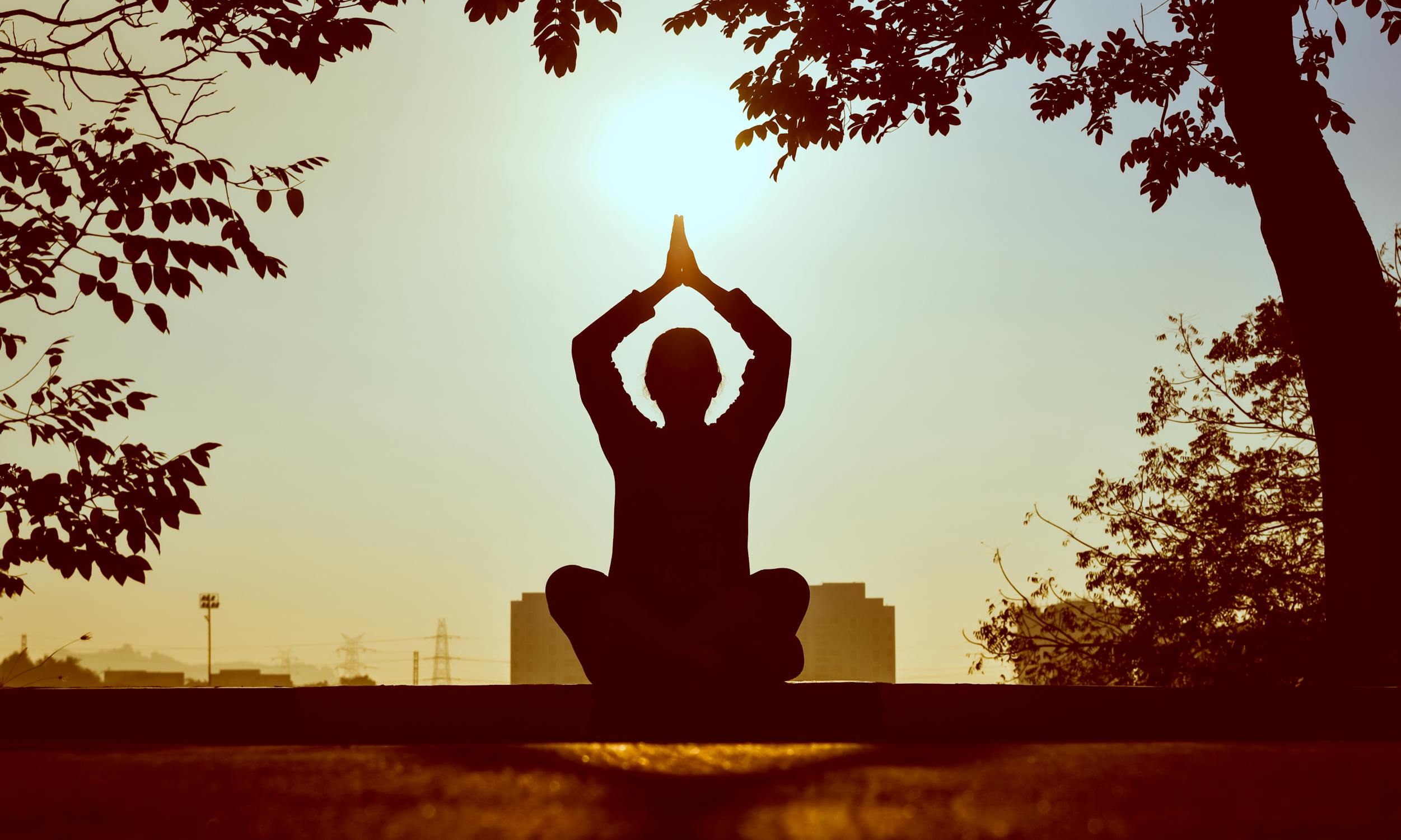 Photo credit on Pexels
Trek and Yoga Retreats
Combining multi-day trekking with yoga practice creates an experience that is both physically rewarding and mentally grounding. Morning yoga prepares the body for the day’s hike, and evening yoga helps recovery and relaxation.
Nepal
Several operators now offer trek-and-yoga itineraries in Nepal, combining classic Himalayan treks (Annapurna, Langtang, Everest region) with daily yoga sessions at teahouses along the trail. The altitude-yoga combination is particularly powerful: yoga breath work (pranayama) is a genuine aid to altitude acclimatization.
Recommended: 14-day Annapurna Circuit with daily yoga from 1200-2000 USD per person, all-inclusive Best season: October-November, March-April
Morocco
Atlas Mountain trekking combined with yoga retreats offer cultural immersion alongside physical practice. The contrast between the exertion of mountain hiking and the stillness of yoga in a Berber village creates a memorable experience.
Recommended: 7-day Atlas Mountain trek and yoga from 600-1000 EUR per person including accommodation, meals, guide, and daily yoga Best season: April through October
Peru
Combining the Inca Trail or Salkantay Trek with yoga practice and Andean spiritual traditions creates a unique retreat experience. Some operators incorporate traditional plant medicine ceremonies (ayahuasca), though this is a separate and serious decision that should not be taken lightly.
Recommended: 10-day Sacred Valley trek and yoga from 1500-2500 USD per person Best season: May through October (dry season)
Multi-Sport and Yoga Retreats
Climb and Yoga (Spain and Greece)
Rock climbing and yoga are a natural pairing: climbing demands grip strength, flexibility, body awareness, and mental focus, all of which yoga develops. Several retreat centers in Spain (Costa Blanca, Mallorca) and Greece (Kalymnos) offer climbing-and-yoga packages.
Cost: 7-day climb and yoga retreats from 600-1200 EUR including accommodation, daily yoga, guided climbing, and some meals Best season: Spring and autumn (September-November, March-May)
Mountain Bike and Yoga (Morocco and Spain)
Mountain biking demands core strength, flexibility, and mental focus, and the physical punishment of riding rough terrain benefits enormously from yoga recovery. Morocco’s Atlas Mountains and Spain’s Sierra Nevada offer excellent terrain for multi-day bike-and-yoga trips.
Cost: 7-day bike and yoga retreats from 800-1500 EUR including accommodation, daily yoga, guided riding, bike rental, and meals
Kayak and Yoga (Croatia and Norway)
Sea kayaking and yoga retreats combine the meditative rhythm of paddling with morning and evening yoga practice, typically camping on beaches or staying in coastal accommodation between paddling days.
Cost: 7-day kayak and yoga retreats from 700-1200 EUR
Comparison: Adventure Yoga Retreat Types
| Type | Physical Intensity | Yoga Focus | Cost Range (7 days) | Best For |
|---|---|---|---|---|
| Surf + Yoga | Moderate-High | Vinyasa, flexibility | 400-1200 USD | Beach lovers, adrenaline seekers |
| Trek + Yoga | Moderate-High | Recovery, breathwork | 600-2000 USD | Mountain lovers, endurance |
| Climb + Yoga | High | Flexibility, focus | 600-1200 EUR | Climbers, precision-oriented |
| Bike + Yoga | High | Recovery, core | 800-1500 EUR | Cyclists, thrill seekers |
| Kayak + Yoga | Moderate | Flow, meditation | 700-1200 EUR | Water lovers, contemplative |
How to Evaluate a Retreat Before Booking
Check the teacher’s credentials. Look for Yoga Alliance registration (RYT-200 minimum, RYT-500 preferred). Read their bio. Look for teachers who specialize in the style of yoga you enjoy or want to learn. If the website does not name the yoga teacher or list their credentials, that is a red flag.
Read unedited reviews. Look for reviews on TripAdvisor, Google, and yoga-specific platforms (BookRetreats, RetreatGuru) rather than testimonials on the retreat’s own website. Pay attention to reviews that mention the teacher’s skill, the quality of the adventure component, the food, and the overall atmosphere.
Ask about the schedule. Request a sample daily schedule before booking. A good retreat balance looks something like: 1.5 hours of morning yoga, 3-4 hours of adventure activity, free time in the early afternoon, 1 hour of evening yoga/meditation. If every waking hour is scheduled, you will be exhausted.
Ask about group size. Smaller groups (8-14 people) provide a better experience for both yoga and adventure. Large groups (20+) dilute the instruction quality and make logistics complicated.
Ask about accommodation and food. The retreat setting matters. A beautiful, peaceful location with good food enhances the experience. A noisy, crowded hostel with mediocre meals undermines it. Most retreats include accommodation and some meals in the price; clarify exactly what is included.
DIY Adventure Yoga: Building Your Own Retreat
You do not need to book a packaged retreat to combine yoga and adventure. Many adventure destinations have excellent yoga studios and drop-in classes that you can incorporate into a self-organized trip:
Bali, Indonesia: Drop-in yoga classes from 10 USD. Surf lessons from 35 USD. Build your own daily schedule.
Ericeira, Portugal: Multiple yoga studios with drop-in classes from 12 EUR. Surf schools on every corner.
Pokhara, Nepal: Yoga studios and meditation centers throughout the lakeside area. Day hikes and paragliding available.
Queenstown, New Zealand: Yoga studios with drop-in classes from 20 NZD. Every adventure activity known to humanity within a 30-minute drive.
Taghazout, Morocco: Yoga classes at many surf camps from 10 EUR. Surfing from 10 EUR per day board rental.
The DIY approach is typically 30-50 percent cheaper than a packaged retreat and gives you complete control over your schedule, food, and accommodation choices. The trade-off is that you lose the structure, community, and expertise that a well-organized retreat provides.
What to Pack for an Adventure Yoga Retreat
Yoga mat: Most retreats provide mats, but they are often thin and well-used. If you are particular about your mat, bring your own. Travel yoga mats (1-2mm thick, foldable) pack easily and weigh under 1 kg. Manduka eKO Superlite and Liforme Travel Mat are popular options at 50-80 USD.
Yoga clothing: Comfortable, stretchy clothing that wicks moisture. You will practice yoga after adventure activities, so quick-dry fabrics are essential. Bring at least two sets so one can dry while you wear the other.
Adventure-specific gear: Depending on the retreat focus. Surf retreats may require a rash guard. Trek retreats require hiking boots and layering. Climbing retreats may require climbing shoes (though most provide them).
Journal: Many retreat participants find value in journaling during the experience. The combination of physical challenge and mindful practice often generates insights worth recording.
Reusable water bottle: Stay hydrated during both yoga and adventure activities.
Open mind: The most important thing you can bring. Adventure yoga retreats attract a diverse range of people with different backgrounds, abilities, and expectations. Be open to the experience, the people, and whatever arises during the week.
The Rise of Solo Adventure Yoga Travel
Adventure yoga retreats are one of the most accessible forms of solo travel. The group structure means you are never truly alone, the shared activities create natural social bonds, and the yoga practice provides a framework for introspection and personal growth. Approximately 60-70 percent of adventure yoga retreat participants are solo travelers, and many retreat operators specifically cater to solo guests with single-room options and social programming.
If you have been hesitant to travel solo, an adventure yoga retreat is an excellent way to start. You arrive as a stranger, spend a week sharing intense physical and introspective experiences with a small group, and leave with friendships and memories that feel disproportionately deep for the time spent together.
You Might Also Like
Get the best ThrillStays tips in your inbox
Weekly guides, deals, and insider tips. No spam, unsubscribe anytime.