Slow Adventure: Depth Over Distance Travel
Discover slow adventure travel, a mindful approach to outdoor experiences that prioritizes depth, connection, and presence over speed and bucket lists.

This post may contain affiliate links. Disclosure
Slow Adventure: Depth Over Distance Travel
Updated for 2026 — Accurate as of February 2026.
I once hiked the Tour du Mont Blanc in six days. I was fit, I was fast, and I could not tell you a single memorable detail about the trail beyond a blur of mountains and exhaustion. Two years later, I walked the same route in twelve days, staying an extra night at refuges that interested me, taking detours to visit cheesemakers and glaciers, and spending entire afternoons sitting beside mountain lakes with no plan beyond watching the light change. I remember everything about the second trip. The first one was exercise with scenery. The second was an experience that changed how I think about travel.
Slow adventure is the deliberate rejection of speed, distance, and achievement as the primary metrics of a successful trip. It is not anti-adventure; it is adventure reconsidered. Instead of asking “how far can I go?” it asks “how deeply can I experience this place?” Instead of optimizing for peak-bagging or mileage records, it optimizes for presence, connection, and the kind of understanding that only comes from lingering.
The movement has accelerated dramatically since 2020. The Adventure Travel Trade Association reports that “slow adventure” bookings grew 34% year-over-year in 2025, outpacing every other adventure travel subcategory. Google search volume for “slow adventure travel” increased 280% between 2021 and 2025. Tour operators like Much Better Adventures, Intrepid, and Exodus now feature dedicated slow adventure categories.
What Slow Adventure Actually Looks Like
Slow adventure is not a specific activity. It is a philosophy that can be applied to any outdoor pursuit. The common elements are:
1. Human-Powered Movement
Walking, cycling, paddling, and sailing move you through landscapes at a pace that allows genuine observation. A car covers 100 kilometers in an hour but you remember nothing about the terrain. Walking covers 20 kilometers in a day and you remember every ridge, stream, and shift in vegetation.
2. Extended Stays in Single Locations
Rather than covering six countries in two weeks, a slow adventure might spend two weeks in a single valley, village, or coastline. The depth of understanding you develop about a place when you stay for days instead of hours transforms the experience from tourism to something approaching residency.
3. Local Connection
Slow adventure prioritizes interaction with local communities: eating at family-run establishments, staying in locally-owned accommodation, learning local skills, and participating in daily rhythms rather than observing them from a bus.
4. Minimal Technology
Not necessarily zero technology, but a conscious reduction. Many slow adventure practitioners leave GPS watches at home, navigate by map and compass, and limit phone use to emergencies and occasional photography. The absence of screens forces presence.
5. Acceptance of Uncertainty
Fast adventure is scheduled and optimized. Slow adventure leaves room for weather days, wrong turns, unexpected invitations, and the serendipity that only occurs when you are not rushing to the next waypoint.
Slow Adventure Destinations
The Scottish Highlands
Scotland may be the spiritual home of slow adventure. The combination of wild camping rights (guaranteed by the Scottish Outdoor Access Code), extensive trail networks, remote bothies (unlocked mountain shelters), and a culture that values walking as a legitimate activity creates the perfect slow adventure environment.
How to do it: Walk a section of the Cape Wrath Trail, Scotland’s wildest long-distance route. There is no official waymarking and no maintained trail for much of the route, meaning navigation by map and compass is essential. Budget two to three weeks for the full 400 kilometers, with extra days for weather holds and detours. Camp wild, stay in bothies, and resupply in tiny Highland villages.
What makes it slow: The lack of infrastructure is the feature. Without waymarks, you navigate by reading the landscape. Without shelters at fixed intervals, you camp where feels right. Without schedules, you walk when the weather is good and wait when it is not. The pace is dictated by the land, not your fitness tracker.
The Camino de Santiago, Spain (Done Slowly)
Most pilgrims walk the Camino de Santiago in 30 to 35 days, averaging 25 kilometers per day. Slow Camino walkers take 45 to 60 days, averaging 15 kilometers per day. The difference is transformative. At the slower pace, you arrive at each village with energy to explore. You eat multi-course lunches at local restaurants instead of wolfing a sandwich. You have time for the coffee-shop conversations with other pilgrims that become the trip’s defining memories.
How to do it: Walk the Camino Frances from Saint-Jean-Pied-de-Port to Santiago de Compostela at your own pace, planning for 15 to 20 kilometers per day maximum. Stay in small family-run albergues and casas rurales rather than large pilgrim hostels. Take rest days in towns that interest you: Pamplona, Burgos, Leon, and Sarria each deserve a full day of exploration.
Norway’s Fjordland
Norway’s fjord coast rewards slow travel more than almost any destination on Earth. The combination of ferry routes, hiking trails, and small fishing villages creates a network that is best experienced at walking and sailing speed.
How to do it: Choose a single fjord (Geirangerfjord, Sognefjord, or Hardangerfjord) and spend a week to ten days exploring it by a combination of ferry, hiking, and kayaking. Stay in village guesthouses and hytte (cabins). Eat fresh fish. Watch the light change on the fjord walls from morning to evening. The experience is meditative in a way that driving between fjords in a rental car cannot replicate.
Japanese Countryside
Japan’s rural areas offer slow adventure infrastructure that is unmatched anywhere in the world. The network of pilgrimage trails (Kumano Kodo, Shikoku 88 Temples, Nakasendo), combined with minshuku (family-run guesthouses), ryokan (traditional inns), and community onsen (hot springs), creates a walking culture where the journey is explicitly the point.
How to do it: Walk the Kumano Kodo pilgrimage over seven to ten days. Stay in minshuku where the host family cooks multi-course kaiseki dinners and serves green tea in the morning. Soak in onsen every evening. Let the trail dictate your pace. The Kumano Kodo passes through ancient cedar forests that feel genuinely sacred, and rushing through them defeats the purpose entirely.
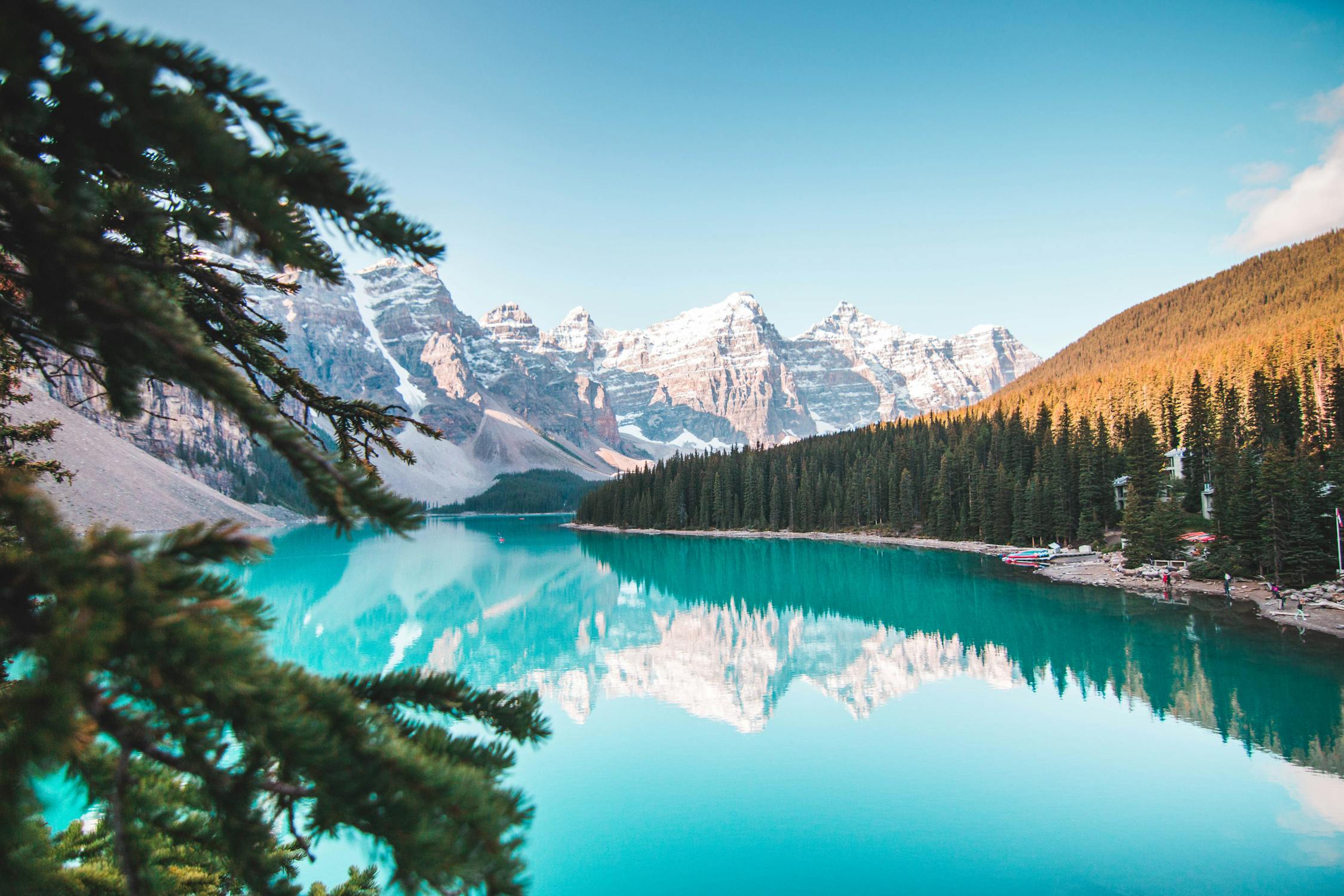 Photo credit on Pexels
Kerala Backwaters, India
A houseboat journey through the Kerala Backwaters is slow adventure at its most accessible. You drift through a network of canals, lagoons, and lakes at walking speed, passing through villages where daily life unfolds on the water’s edge. The pace is determined by the current and a small outboard motor, and there is absolutely nothing to do except watch, eat Kerala cuisine, and exist.
How to do it: Skip the luxury houseboat experience (overpriced and isolated) and hire a local country boat (kettuvallam) with a driver and cook for three to four days. The smaller boats access narrower canals that the large houseboats cannot navigate, bringing you into closer contact with village life. Cost: $80 to $150 per day all-inclusive.
Slow Adventure Activities
Long-Distance Walking
Walking is the foundational slow adventure activity. The ideal pace is 15 to 20 kilometers per day, which leaves ample time for stops, diversions, and rest.
| Trail | Country | Distance | Recommended Duration | Traditional Duration |
|---|---|---|---|---|
| Camino de Santiago | Spain | 790 km | 50-60 days | 30-35 days |
| GR20 | Corsica, France | 180 km | 20-25 days | 15 days |
| Tour du Mont Blanc | France/Italy/Switzerland | 170 km | 14-18 days | 8-11 days |
| West Highland Way | Scotland | 154 km | 10-12 days | 6-8 days |
| Kumano Kodo | Japan | 90 km | 7-10 days | 4-5 days |
| Kungsleden | Sweden | 440 km | 30-35 days | 20-25 days |
River Journeys
Canoeing or kayaking a river from source to sea is the ultimate slow adventure. You move at the speed of water, camp on riverbanks, and the landscape changes gradually over days and weeks rather than hours. The Danube by canoe, the Loire by kayak, the Yukon by canoe, and the Murray by kayak are all classic multi-week river journeys.
Sailing
Coastal sailing at 5 to 6 knots is the maritime equivalent of walking. You are fast enough to cover meaningful distance but slow enough to appreciate every coastline, island, and harbor. Sailing the Greek islands, the Croatian coast, or the west coast of Scotland over two to three weeks provides an unhurried exploration that island-hopping by ferry cannot match.
Bicycle Touring
Not racing, not gravel grinding, but genuine bicycle touring at 50 to 80 kilometers per day with loaded panniers. The speed is perfect: fast enough that landscapes change throughout the day, slow enough that you can stop for every interesting village, viewpoint, and cafe. Classic slow cycling routes include the EuroVelo network, the Great Divide Mountain Bike Route (at touring pace), and cycling the Mekong from Luang Prabang to Saigon.
The Philosophy Behind Slow Adventure
Presence Over Achievement
Traditional adventure travel often operates on an achievement model: summits bagged, distances covered, countries visited. Slow adventure replaces this with a presence model: moments experienced, connections made, understandings deepened. There is nothing wrong with achievement, but when it becomes the primary metric, you can find yourself on a summit photograph that you barely remember taking because you were already planning the next peak.
Quality of Attention
The poet Mary Oliver wrote, “Attention is the beginning of devotion.” Slow adventure is, at its core, a practice of attention. When you walk through a landscape at four kilometers per hour instead of driving through at 80, you notice the way the light plays through different tree canopies, the shift in birdsong between habitats, and the gradual transition from one geological formation to another. These observations are not just aesthetically pleasing; they create a relationship with the landscape that transforms it from scenery to something personal.
Environmental Impact
Slow adventure is inherently lower-impact than fast adventure. Walking produces zero emissions. Cycling produces marginally more. Sailing and paddling are wind and human-powered. By staying in one place longer, you reduce the transportation emissions associated with destination-hopping. By engaging with local economies at a deeper level, you ensure more of your spending reaches communities rather than international hotel chains.
How to Plan a Slow Adventure
Step 1: Choose One Place, Not Many
Select a single region, trail, or coastline. Resist the temptation to add “just one more” destination. The depth of experience in one place for two weeks exceeds the breadth of experience in four places for three days each.
Step 2: Double Your Timeline
Whatever timeline seems reasonable, double it. If a trail guide says six days, plan for twelve. If a cycling route suggests two weeks, budget for four. The extra time is where the magic happens.
Step 3: Leave Gaps in Your Schedule
Plan no more than 60% of your days. The remaining 40% should be unscheduled, available for weather days, rest days, extended stays at places you love, and spontaneous opportunities.
Step 4: Reduce Your Gear
Slow adventure requires less gear than fast adventure because you are not optimizing for performance. Leave the GPS watch. Bring a paper map. Replace the ultralight tent with a slightly heavier, more comfortable one. The goal is enjoyment, not efficiency.
Step 5: Practice Before You Go
Slow adventure requires a different mental muscle than fast adventure. Practice at home by taking a full-day walk without a destination, spending an afternoon at a local park without your phone, or cycling a familiar route at half your usual pace. Notice what changes when you remove the urgency.
The Business Case for Slow Adventure
If the philosophical argument does not convince you, consider the practical one: slow adventure is cheaper, healthier, and more sustainable than fast adventure.
Cheaper: Staying in one place eliminates repeated transportation costs, reduces accommodation costs through weekly rates, and allows you to discover cheap local restaurants that tourists on tight schedules never find.
Healthier: Moderate daily exercise (walking, cycling, paddling) with adequate rest produces better fitness outcomes than intense bursts followed by recovery days. The reduced stress of an unscheduled itinerary lowers cortisol levels. And the deeper sleep that comes from physical exhaustion without mental overstimulation is restorative in a way that hotel beds after red-eye flights are not.
More sustainable: Lower carbon footprint, higher local economic impact, and reduced strain on overtouristed destinations. Slow adventure is the travel industry’s most credible answer to the sustainability question.
You Might Also Like
Get the best ThrillStays tips in your inbox
Weekly guides, deals, and insider tips. No spam, unsubscribe anytime.