Overlanding Africa: Safari by 4x4 Guide
The complete overlanding Africa guide — Namibia, Botswana, Tanzania, and Kenya by 4x4. Vehicle rental, camping, wildlife safety, malaria prevention, and route planning.
This post may contain affiliate links. Disclosure
Overlanding Africa: Safari by 4x4 Guide
Updated for 2026 — Accurate as of February 2026.
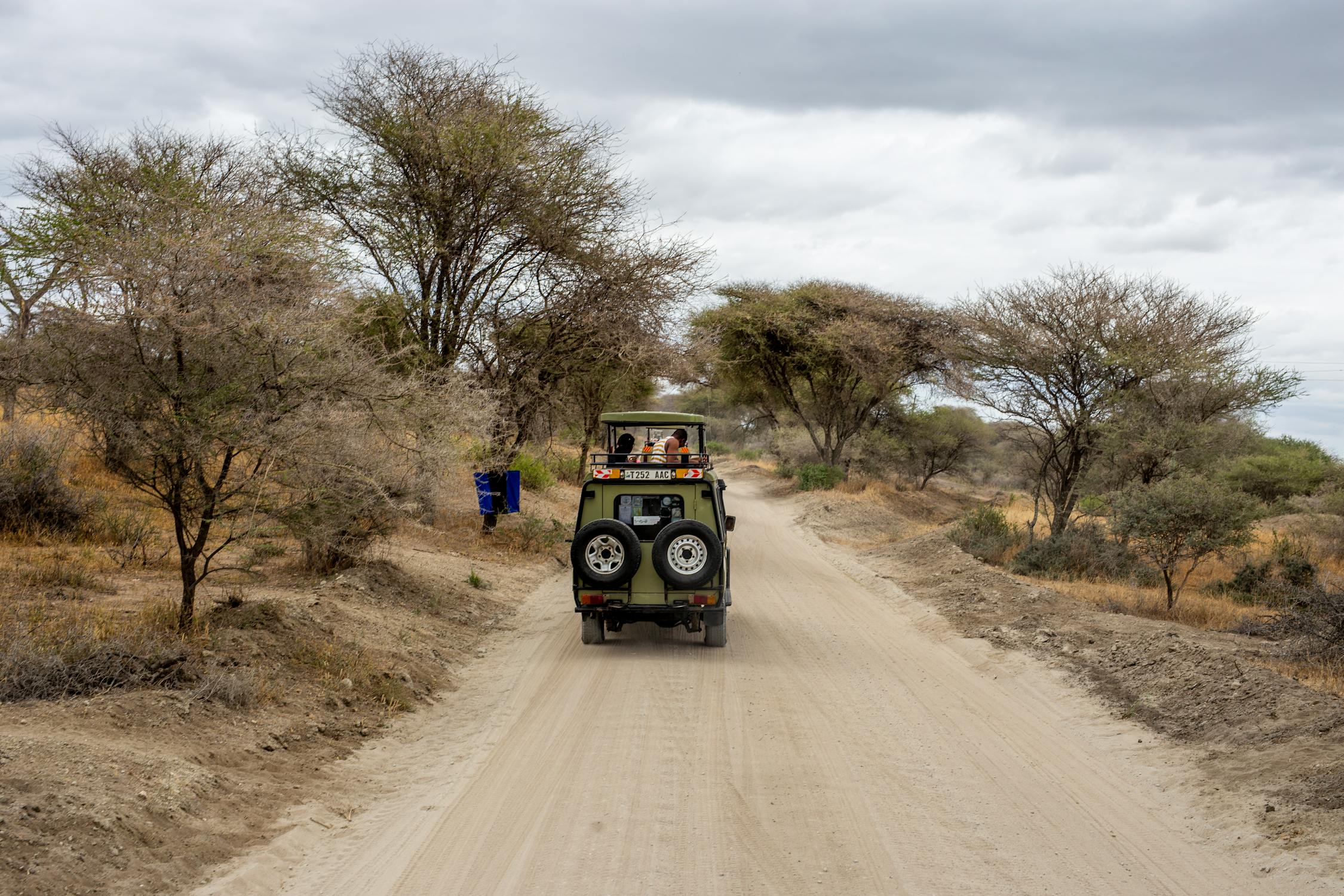
Self-drive overlanding in Africa is the most immersive, flexible, and ultimately rewarding way to experience the continent’s wildlife and landscapes. Instead of following a fixed lodge itinerary at the pace set by a commercial operator, you drive your own route, camp where you choose (within park regulations), and experience the African bush on its own terms. A lion padded through our campsite at 2 a.m. in Botswana’s Chobe Forest Reserve. No lodge vehicle, no ranger narrating, no schedule — just the sound of breathing in the darkness and the understanding that the hierarchy of the bush has no interest in tourist comfort.
This guide covers overlanding in Africa’s four most compelling self-drive destinations — Namibia, Botswana, Tanzania, and Kenya — with practical advice on vehicle selection, rental logistics, camping, wildlife safety, health precautions, and the honest costs of Africa’s greatest adventure.
Key Takeaway: Self-drive overlanding in Africa is not as logistically difficult as most first-timers assume. Namibia, in particular, has better road infrastructure, clearer signage, and more established self-drive tourism than many European road-trip destinations. The planning investment is front-loaded; the execution, in a well-prepared vehicle, is manageable by anyone with road-trip experience.
Africa Overlanding: Which Destination Is Right For You?
| Destination | Difficulty | Best For | Season | Typical Duration |
|---|---|---|---|---|
| Namibia | Beginner–Intermediate | First Africa trip, desert/dune landscapes | April–October | 14–21 days |
| Botswana | Intermediate | Serious wildlife density, remote Okavango | April–October | 14–21 days |
| Tanzania | Intermediate | Big Five concentrations, Serengeti circuits | June–October | 14–21 days |
| Kenya | Intermediate | Masai Mara wildebeest migration | July–September | 10–14 days |
| Combination circuit | Advanced | Maximum diversity and wildlife | May–October | 21–35 days |
Destination 1: Namibia — The Best First Africa Overland
Namibia is the ideal starting point for Africa overlanding, and the reasons are practical: the road network is excellent (most C and B grade roads are well-maintained gravel; major routes are paved), wildlife is present in fenced national parks and private reserves rather than roaming unfenced territory, and the country is genuinely safe for solo travelers and mixed groups.
The Namibian circuit: Most overlanders base their Namibia itinerary on a loop from Windhoek (the capital, with the main vehicle rental hubs) covering:
- Sossusvlei (Namib-Naukluft Park): The world’s highest sand dunes — Dune 45 at 170m — rising from ancient orange desert. The Dead Vlei clay pan (dead camel thorn trees against white clay and orange dune backdrop) is one of Africa’s most photographed landscapes. Self-drive access requires a park permit; Sossusvlei entry from 6 a.m.
- Swakopmund: German colonial coastal town with Atlantic beaches and excellent restaurants. A rest-day base with access to desert quad biking and sandboarding.
- Damaraland: Dramatic volcanic landscape with free-roaming desert-adapted elephants and rhinos — among the only such populations outside fenced reserves.
- Etosha National Park: Namibia’s primary wildlife reserve — 22,000 km² of savanna with artificial water holes that concentrate wildlife extraordinarily. Self-drive in a standard 2WD vehicle is adequate within the park’s roads. The Big Five are present (though rhinos are harder to spot than in dedicated rhino reserves).
- Windhoek return: Via the B1 highway, through the central highlands.
Total distance: Approximately 3,500 km over 16–18 days.
Pro Tip: Book your first night at Etosha’s Okaukuejo camp for the famous floodlit water hole — rhinos drink here nightly, often within 20 meters of the viewing area. Arrive at the water hole at 7 p.m. and wait; rhino visits typically occur between 8 p.m. and midnight.
Destination 2: Botswana — Africa’s Wild Crown
Botswana is where Africa overlanding reaches its apex — a country with some of the highest wildlife densities on Earth, among the lowest human population densities, and a philosophy of low-volume, high-value tourism that keeps the bush genuinely wild. The Okavango Delta (UNESCO World Heritage Site) is the world’s largest inland delta — a flood plain the size of Switzerland that fills seasonally with Angolan rainfall, creating a temporary island ecosystem of extraordinary richness.
The challenge: Botswana is logistically harder than Namibia. The Central Kalahari Game Reserve and Okavango Panhandle require proper 4WD with high clearance; sand driving skills are essential; distances between fuel stops can exceed 250 km; and campsites in the more remote areas are unfenced. When an elephant walks through your unfenced campsite at 2 a.m. (this is not a hypothetical), the correct response is to stay in your tent and be quiet.
Key regions:
- Chobe National Park: One of Africa’s highest elephant densities — 130,000 elephants in the greater ecosystem. The Chobe River floodplain in Kasane is accessible to standard 4WD and produces extraordinary wildlife viewing.
- Moremi Game Reserve (Okavango): The best wildlife reserve within the Okavango Delta system. Requires proper 4WD; sandy tracks and water crossings are standard. Campsites at Xakanaxa and Third Bridge are legendary among Africa overlanders.
- Central Kalahari Game Reserve: One of the world’s largest game reserves (52,000 km²) with extremely remote campsites and excellent predator sightings. Requires full expedition preparation.
Entering Botswana by vehicle: Cross from Namibia at Buitepos/Mamuno (most common overland entry) or Ngoma Bridge. Vehicle import documentation (SADC temporary import permit) is processed at the border, typically taking 30–60 minutes.
Destination 3: Tanzania — Serengeti and Beyond
Tanzania hosts three of Africa’s greatest wildlife sites — the Serengeti, Ngorongoro Crater, and Selous (now Nyerere National Park) — and the classic Northern Circuit links them with the Tarangire and Lake Manyara national parks into a 10–14 day loop.
The Serengeti: The world’s most famous wildlife reserve — 14,763 km² of open savanna supporting the Great Migration (1.5 million wildebeest and 200,000 zebra moving annually between the Serengeti and Kenya’s Masai Mara). The migration’s river crossings — where thousands of animals plunge into the Mara River with Nile crocodiles waiting — are among the most dramatic wildlife events on Earth. Timing depends on rainfall: the crossing typically occurs in the Serengeti’s Western Corridor in June–July, then in Kenya’s Masai Mara in August–September.
The Ngorongoro Crater: A 260 km² volcanic caldera containing 25,000 large mammals permanently (they cannot climb the crater walls) — the densest wildlife concentration in Africa. Day visits only for self-drive; the descent and ascent are managed by park authorities.
Practical Tanzania overlanding details:
- Fly into Arusha (ARK) or Kilimanjaro (JRO)
- 4WD vehicle essential — many Serengeti tracks require high clearance
- Park fees are significant: Serengeti entry: $70/person/day + $50/vehicle/day
- Self-catering camping is excellent: Seronera Public Campsite ($30/person/night) is inside the Serengeti and produces extraordinary nightly animal encounters
Destination 4: Kenya — Masai Mara and Great Rift Valley
Kenya’s tourism infrastructure is the most developed in East Africa — a double-edged characteristic that makes logistics easier but some game drive experiences more crowded. The Masai Mara in peak season (August) has legitimate 4WD traffic management issues at popular river-crossing sites. Outside peak season, the Mara is extraordinary and relatively uncrowded.
Key Kenya overlanding circuit:
- Nairobi (vehicle rental, gear acquisition): One day maximum
- Hell’s Gate National Park: Cycling inside a wildlife park among zebras and buffalo — genuinely unique. One day.
- Lake Nakuru: Flamingo concentrations and excellent rhino sanctuary. One day.
- Masai Mara (3–5 days): The anchor of the circuit. Camp at private sites outside park boundaries to avoid the congestion of public campsites.
- Return to Nairobi via the Great Rift Valley escarpment viewpoints.
Total circuit: 8–10 days, 1,200–1,500 km.
Vehicle Rental in Africa: What You Need
Namibia
The most established self-drive rental market in Africa. Operators: Asco Car Hire (ascocarhire.com), Odyssey (namibiaodyssey.com), Britz Africa (britz.co.za/namibia).
Vehicle classes:
- Bakkie/pickup truck (Toyota Hilux or equivalent): Adequate for Namibia’s main circuits. Daily rate: $70–120/day with basic equipment.
- 4x4 with rooftop tent: The overlanding standard. Toyota Land Cruiser with RTT and kitchen kit. Daily rate: $120–180/day.
- Fully equipped expedition rig (fridge, dual battery, comprehensive recovery gear): Daily rate: $180–280/day.
Vehicles typically include a Garmin GPS, basic recovery kit (hi-lift jack, tow strap), and communication device. Confirm all included equipment before accepting the vehicle.
Botswana/Multi-Country
Tracks4Africa (tracks4africa.co.za): The most comprehensive GPS mapping resource for southern Africa — download before departure.
Multi-country rental considerations: Many rental agreements restrict cross-border travel. Confirm border-crossing permissions in writing before departure. South Africa to Namibia, Botswana crossings are typically permitted; Tanzania-Kenya border crossing requires additional documentation.
Camping in African National Parks
Most African national parks have both public and private campsites:
- Public campsites: Basic facilities (pit toilet, cold water, no electricity), very low cost ($10–30/person/night), frequently unfenced in major wildlife areas
- Private/exclusive campsites: Rented exclusively by one party, more space, often better facilities, $50–150/site/night regardless of group size
Unfenced wildlife camping safety rules:
- Sleep inside your vehicle or a quality tent — never sleep in the open
- Do not leave food or scented items (toothpaste, deodorant) outside the vehicle
- Do not get between a mother and offspring of any large mammal
- In lion and elephant country: do not walk outside your vehicle after dark
- If an animal approaches: remain still and quiet inside your tent or vehicle; do not run
Key Takeaway: Unfenced camping in Africa is genuinely safe when rules are followed. The most dangerous animals for campers are not lions or elephants but hippos (who walk between water and grazing areas at night) and cape buffalo (unpredictable when surprised). Be aware of your campsite’s proximity to water sources.
Health and Medical Preparation
Malaria
Malaria is present in all four destinations covered here. Prevention:
- Antimalarial medication: Malarone (atovaquone/proguanil) is the most convenient (one tablet daily, starting 1 day before travel). Doxycycline is a cheaper alternative. Consult the CDC’s malaria prevention page or a travel medicine clinic for personalized advice.
- Bite prevention: DEET 40%+ repellent on exposed skin from dusk to dawn. Long sleeves and trousers at night. Permethrin-treated clothing and tent.
- Rapid testing: Carry a malaria rapid diagnostic test kit for self-testing if fever develops during travel.
Vaccinations
Recommended for all four destinations: Yellow Fever (required for entry to some countries depending on travel history), Typhoid, Hepatitis A, Hepatitis B, Rabies (advisable for extended stays and wildlife exposure), and up-to-date routine vaccinations. Check the WHO’s International Travel and Health page for country-specific requirements.
Water
Drink only bottled water or water treated with a quality filter and purification tablets in all four destinations.
The Honest Cost of Africa Overlanding
Africa overlanding is not cheap. The wildlife is extraordinary, the experience is life-changing, but the park fees, vehicle rental, fuel costs, and camping fees accumulate significantly.
14-day Namibia self-drive budget (2 people sharing):
| Item | Cost |
|---|---|
| Vehicle rental (Toyota Hilux 4x4 RTT) | $1,960 |
| Fuel (3,500 km at 10L/100km, $1.50/L) | $525 |
| Park fees (Etosha 4 nights: $280, NamibNaukluft $120) | $400 |
| Campsites | $350 |
| Food and water | $280 |
| Total (2 people, 14 days) | $3,515 ($1,758/person) |
Return flights from London to Windhoek: $900–1,400 per person return, depending on carrier and booking timing.
For the domestic US overlanding experience at a fraction of this cost, read our overlanding beginner’s guide. For adventure travel safety guidance applicable to all remote travel, our adventure travel safety guide covers emergency preparedness comprehensively.
Responsible Wildlife Tourism in Africa
Self-drive safari carries a responsibility to wildlife that differs from guided commercial safaris where operators enforce rules. Key principles:
- Maintain distance: 20m minimum from predators, 50m minimum from cheetahs on kills (vehicle approach disturbs hunting and feeding)
- No off-road driving: Track damage causes erosion and creates long-term habitat damage
- Engine off at sightings: Noise disturbs wildlife behavior. If the animal is feeding, mating, or nursing: engine off, quiet voices.
- Do not bait wildlife: No food, no calls, no artificial attractants
- Support anti-poaching operations: Community conservancies depend on tourism revenue to fund rangers. Use community campsites and local guides where possible.
Word count: ~2,800 words
Get the best ThrillStays tips in your inbox
Weekly guides, deals, and insider tips. No spam, unsubscribe anytime.