Noctourism: Best Adventures After Dark in 2026
Noctourism is the fastest-growing adventure travel trend of 2026. Night kayaking, stargazing retreats, aurora DJ sets, lava tube sound baths, and desert raves.
This post may contain affiliate links. Disclosure
Noctourism: Best Adventures After Dark in 2026
Noctourism — travel experiences specifically designed around nighttime, darkness, and the phenomena that only exist in the absence of light — has emerged as one of the most compelling trends in adventure travel. The concept encompasses a wide spectrum: bioluminescent kayaking in Caribbean bays, stargazing retreats at Atacama Desert observatories, aurora-synchronized DJ performances in Finnish Lapland, sound bath experiences in Hawaiian lava tubes, and desert raves at the edge of civilization. What unites these experiences is their fundamental dependence on darkness — and the recognition that most travelers move through the world’s most spectacular nocturnal environments without ever stopping to experience them as designed.
According to the 2025 ATTA Adventure Tourism Market Study, nighttime experiences now account for approximately 22% of all new adventure tourism products launched in the past two years — up from 8% in 2020. The drivers are multiple: light pollution mapping has made dark-sky destinations more precisely identifiable, social media has amplified the visual impact of aurora and bioluminescence photography, and a growing segment of travelers is actively seeking experiences that require genuine commitment — waking up at 3 a.m. for a lava summit, or waiting in Icelandic cold for the aurora to appear — rather than passive consumption. This guide covers the finest noctourism experiences available in 2026 with precise logistics, best seasons, and the science that makes each experience possible.
Night Kayaking: Bioluminescent Bays and Dark Water
Night kayaking in bioluminescent conditions is one of the most sensory-complete adventure experiences available — the physical rhythm of paddling, the warmth of tropical water, the silence of a dark bay, and the living light that follows every stroke. We covered the world’s top bioluminescence destinations in depth in our bioluminescence travel guide, but the kayaking dimension deserves specific attention here.
Mosquito Bay, Puerto Rico is the world standard, but several operators have developed the nighttime kayak experience with specific attention to the experience design. Companies like Abe’s Snorkeling and Bio-Bay Tours use clear-bottom kayaks that allow viewing from above rather than alongside — placing the glow beneath your paddling position and making every movement visible as luminous trails spreading from the hull. The optimal group size for bioluminescence kayaking is 8–12 people in separate kayaks, spread far enough apart that the disturbance from individual paddlers doesn’t merge into a uniform glow field. Ask operators about group size before booking.
Tomales Bay, California offers a less-concentrated but accessible bioluminescence kayaking experience on the California coast north of San Francisco. The Blue Waters Kayaking operation runs seasonal night tours when dinoflagellate populations are favorable — typically May through October, with July and August being most reliable. The Marin County setting, with Point Reyes National Seashore across the bay, adds landscape depth that pure tropical bay experiences sometimes lack.
Halong Bay, Vietnam offers kayak access to partially submerged limestone cave systems where the natural architecture creates enclosed darkness — and the bioluminescence of the bay water glows inside the cave in colors that appear almost artificially vivid against the black stone.
Key Takeaway: Night kayaking with bioluminescence combines best with dead-calm water conditions. Check weather forecasts specifically for wind speed — even 10 knots of wind creates enough wave action to dissipate the dinoflagellate glow. New moon + calm winds + warm water = optimal conditions.
Stargazing Retreats: The Atacama and Beyond
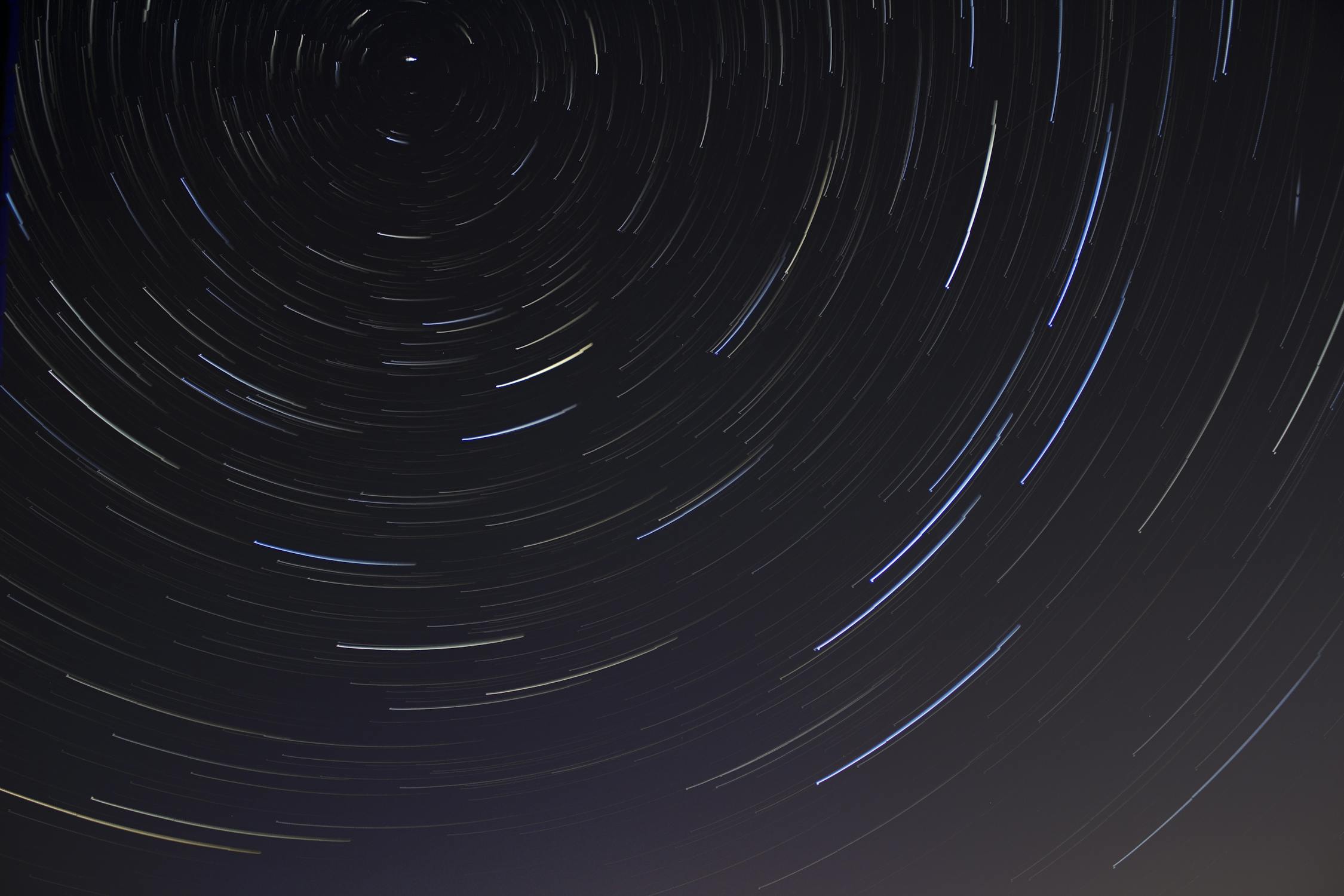
The Atacama Desert in northern Chile — promoted by Chile’s national tourism board as a premier stargazing destination — hosts the world’s highest concentration of major astronomical observatories — the European Southern Observatory’s La Silla and Paranal facilities, ALMA (Atacama Large Millimeter Array), and the under-construction Extremely Large Telescope all operate within 200 km of San Pedro de Atacama. The choice of this location is not coincidental: the Atacama’s combination of extreme altitude (San Pedro sits at 2,438m, individual observatories at 2,400–5,000m), near-zero humidity, and minimal light pollution creates atmospheric conditions where star clarity exceeds any other location on Earth accessible by road.
Public stargazing experiences in San Pedro de Atacama: SPACE (Space Observatory San Pedro de Atacama) runs nightly astronomy tours with professional-grade telescopes, planetarium presentations, and laser pointer constellation tours in English and Spanish. Cost: $35–$55 per person. The tours run even on nights with partial cloud cover — the high-altitude Atacama sky regularly has cloud-free windows regardless of baseline conditions.
Beyond Chile:
NamibRand Nature Reserve, Namibia is Africa’s first International Dark Sky Reserve (Gold Tier) and the largest private reserve in southern Africa. The Wolwedans camp complex within the reserve offers stargazing as a core program activity, with the Milky Way visible to the naked eye as a literal cloudy band across the sky on dark nights. The combination of Namibian desert landscape — red sand dunes, distant mountain ranges — and the astronomical sky quality creates one of Earth’s finest stargazing environments.
Aoraki Mackenzie International Dark Sky Reserve, New Zealand covers 4,300 sq km of New Zealand’s South Island, including Aoraki/Mount Cook National Park. The Southern Hemisphere sky visible from this reserve includes the Magellanic Clouds (satellite galaxies of the Milky Way, visible only from the Southern Hemisphere) and the southern constellations including the Southern Cross. Earth and Sky observatory tours depart from Tekapo village: NZD $145 ($90) for a 2-hour tour with professional telescope access.
Mauna Kea, Hawaii: The summit of Mauna Kea at 4,205m is home to 13 major research telescopes and is arguably the world’s finest mid-latitude astronomical site. The Visitor Information Station at 2,804m runs free public stargazing programs nightly (6–10 p.m.) with volunteer astronomers. The summit road drive is accessible to 4WD vehicles, but altitude sickness at 4,205m is a real concern — spend minimum 30 minutes at the Visitor Station before attempting the summit.
Aurora Adventures: Beyond the Basic Northern Lights Tour
The northern lights industry in Scandinavia has matured to the point where basic aurora tours — a minibus to a dark location outside the city, waiting for an hour, returning to the hotel — feel unsatisfying for adventure travelers who want a more immersive experience. The noctourism sector has responded with a new generation of aurora-integrated adventures.
Aurora and Snowmobile Expeditions (Finnish Lapland): Several operators in Saariselkä and Inari, Finland now run 4–5 hour night snowmobile expeditions that cover 80–120 km of wilderness trail while actively chasing aurora. The guide leads based on cloud cover forecasting, moving the group toward clear-sky corridors in real time. These tours combine the thrill of high-speed night snowmobiling with the patience game of aurora hunting — a combination that holds both experiences in productive tension. Cost: €150–€220 per person.
Aurora Sailing, Norway: Operators in Tromsø run overnight sailing voyages specifically for northern lights viewing from open water. The vessel can reposition away from cloud cover, and the sea-level perspective — aurora reflected in the fjord — produces a visual experience different from land-based viewing. Overnight trips (8 p.m. to 6 a.m.): NOK 1,800–$2,400 ($165–$220).
Aurora DJ Events, Swedish Lapland: The Icehotel in Jukkasjärvi and several Abisko-based operators have developed aurora-synchronized electronic music events — performances designed specifically for the Arctic winter landscape, where audio programming and visual art installations interact with the aurora as a natural backdrop. The Icehotel’s Aurora Events run December through March: approximately SEK 1,200–$1,800 ($110–$170) for event tickets, with accommodation at the Icehotel separately.
Pro Tip: The KP Index (geomagnetic activity scale from 0–9) determines aurora visibility at specific latitudes. Download the Space Weather Live or My Aurora Forecast app. For Tromsø-level latitudes (69°N), aurora is visible at KP3 or above. For Iceland (65°N), KP4+ is typically needed. For the UK or northern Germany, KP6+ is required — genuinely rare.
Lava Tube Sound Baths: Hawaii’s Underground
The Big Island of Hawaii contains an extensive network of lava tubes — geological tunnels formed when the outer shell of a lava flow cools and hardens while molten rock continues flowing beneath, eventually draining to leave the hollow tube structure. The Thurston Lava Tube (Nāhuku) in Hawai’i Volcanoes National Park is the most accessible, a publicly lit 0.5 km tube within the main park. But the full lava tube noctourism experience is considerably deeper and darker.
Kazumura Cave, on the Big Island’s eastern slope, is the world’s longest lava tube at 65.5 km. Small-group tours ($75–$150) take visitors deep into sections lit only by personal headlamps, where the silence and geological scale create a profoundly immersive experience. The tube temperature is a constant 62°F (17°C) regardless of external conditions — a relief in summer, a notable warmth contrast in winter.
The “sound bath” dimension of lava tube noctourism: the acoustic properties of sealed lava tube chambers — hard rock walls, variable geometry, no surface sound intrusion — produce extraordinary reverb and resonance. Several yoga and wellness operators on the Big Island have developed private-access sound bath experiences in smaller lava tube chambers, using singing bowls, gongs, or electronic instruments whose sound properties change dramatically in the underground acoustic environment. Search “lava tube sound bath Big Island” for current operators — these are small-batch experiences that don’t maintain heavy online presence.
Desert Raves: Where Music and Wilderness Intersect
The desert rave tradition — combining electronic music events with the aesthetic and philosophical space of wild desert environments — traces its modern origins to the Burning Man movement and has spawned a global network of smaller, regionally specific events.
Coachella Valley Music and Arts Festival (April 2026): The world’s largest music festival by revenue ($115 million in 2024) takes place in the Coachella Valley desert. At night, the desert air cools dramatically, the art installations are lit spectacularly, and the sound carries across the dry basin in a way that genuinely differs from the daytime experience. Camping passes for the full Coachella desert camping experience cost $120–$200 additionally to general admission.
Ozora Festival, Hungary (late July/August 2026): Held on a rural estate in the Hungarian countryside, Ozora has developed into one of Europe’s finest outdoor psychedelic and progressive electronic music events over its 20-year history. The main stage operates through the night in a forested clearing. Attendance: approximately 25,000 people. 5-day passes: approximately €170–€220.
Raves in Jordan’s Wadi Rum: Several small-scale desert gathering events have emerged in Wadi Rum’s extraordinary rose-red sandstone landscape over the past 5 years. These are generally promoted through word-of-mouth and Instagram rather than mainstream channels — search Wadi Rum events or connect with Jordan-based adventure tour operators who know the calendar. The landscape alone — ancient Bedouin territory of 720 sq km of protected desert — makes any gathering held there genuinely different.
Night Hiking: The Overlooked Noctourism Classic
Night hiking — ascending peaks in darkness to reach summits for sunrise — is the oldest form of noctourism and still one of the most rewarding. The key difference from daytime hiking is not just the timing but the perceptual experience: without distance-spanning visual context, the trail reduces to the pool of headlamp light ahead, the physical sensation of each step, and whatever the sky above presents.
Mount Fuji, Japan: The official Mount Fuji climbing season (early July to mid-September) is dominated by nighttime ascents — hikers depart the 5th Station at midnight or 1 a.m. to summit before sunrise, roughly 5–6 hours of upward movement in the dark, arriving at 3,776m as the Pacific horizon turns orange beneath the cloud layer below. The Fuji sunrise is one of the most culturally significant natural experiences in Japan.
Teide, Tenerife: The permit-required summit zone of Mount Teide (3,715m, Spain’s highest peak) sits above a cloud layer that, at sunrise, glows a saturated orange from below while the upper sky remains dark. The cable car operates from 9 a.m. but night hikers with summit permits (free, available online at the Teide National Park website) can ascend by trail to arrive before dawn. The experience of standing above the Atlantic cloud sea at sunrise while the stars fade is one of Europe’s finest non-Alpine mountain experiences.
For complementary adventure planning, ThrillStays covers the full northern lights adventure guide and the off-grid wilderness camping experiences that pair naturally with noctourism at off-grid wilderness camping.
The Noctourism Philosophy
The growth of noctourism reflects something real in how adventure travelers relate to their experiences: a desire for depth over breadth, for sensory engagement over visual consumption, and for the type of presence that darkness enforces. When you can’t see the horizon, you listen differently. When the temperature drops and the stars appear, your attention narrows and sharpens. When bioluminescence follows your hands through black water, the distinction between observer and environment dissolves for a moment.
Darkness, it turns out, is one of the world’s most valuable and increasingly rare natural resources. Dark-sky certified areas cover less than 1% of the earth’s total land surface. The experience of genuine darkness — far from city lights, under a star-filled sky in a landscape that hasn’t been lit for human convenience — is, for most urban dwellers, one of the most genuinely novel sensory experiences available. The best noctourism experiences are the ones that use darkness not as a gimmick, but as the environment that reveals what daylight conceals.
Get the best ThrillStays tips in your inbox
Weekly guides, deals, and insider tips. No spam, unsubscribe anytime.