Kitesurfing on a Budget: Best Wind Destinations Worldwide
Find the cheapest places to learn kitesurfing and ride world-class waves. Budget breakdowns, seasonal wind guides, and accommodation tips for kite travelers.

This post may contain affiliate links. Disclosure
Kitesurfing is one of those sports that sounds impossibly expensive until you discover the right destinations. Yes, the gear is pricey. Yes, lessons are not cheap. But the wind is free, and in some of the world’s best kitesurfing spots, everything else, from accommodation to food to equipment rental, costs a fraction of what you would pay in more developed beach towns.
In 2026, the global kitesurfing community is larger and more connected than ever, with budget-friendly destinations opening up across Africa, South America, and Southeast Asia. Whether you are a complete beginner looking to take your first lesson or an experienced rider chasing the perfect wind window, this guide covers the best places to kitesurf without destroying your bank account.
Understanding Wind Seasons
Before choosing a destination, you need to understand wind patterns. Kitesurfing requires sustained wind of at least 12 knots (about 14 mph), with most riders preferring 15-25 knots. Key factors:
- Trade winds: Consistent, seasonal winds near the equator. The most reliable for planning a trip.
- Thermal winds: Created by temperature differences between land and sea. Predictable in summer but can be weaker.
- Monsoon winds: Powerful but can bring rain. Southeast Asian destinations rely on these.
The best budget destinations often have reliable trade winds, which means you can book with confidence that you will actually get to ride.
Tarifa, Spain
Tarifa sits at the southernmost tip of continental Europe, where the Mediterranean meets the Atlantic. The Spain tourism board lists Tarifa as one of the country’s top wind sport destinations. The result is wind. Lots of it. The Strait of Gibraltar funnels either the Levante (easterly) or Poniente (westerly) wind through the narrow passage, and Tarifa gets rideable wind on roughly 300 days per year. The town has a vibrant, bohemian atmosphere with a strong surf and kite culture. The old town is charming, the tapas are excellent, and the nightlife is legendary for a town of 18,000 people.
Wind season: Year-round, with peak winds June through September Best for: Intermediate to advanced riders (beginners should try nearby Valdevaqueros beach) Lesson costs: Group lessons from 50-70 euros for 3 hours. Private lessons from 80-120 euros. Gear rental: Full kite setup from 60-80 euros per day. Where to stay: Hostels from 18-25 euros per night. Apartments from 40-60 euros. Campgrounds from 12 euros. Daily budget: 40-60 euros (budget), 80-120 euros (comfort)
Pro Tip: The Levante wind can be gusty and strong (30+ knots), which is challenging for beginners. If you are learning, wait for Poniente days, which tend to be more consistent and moderate.
 Photo credit on Pexels
Cape Town, South Africa
Cape Town is a world-class kitesurfing destination with a massive advantage for budget travelers: the exchange rate. The South African rand makes everything from lessons to accommodation to dining out remarkably affordable by international standards. Bloubergstrand and Big Bay are the primary kite beaches, with Table Mountain providing one of the most iconic backdrops in the sport. The wind here is thermal-driven, pulling in strong and consistent southeast trades during the summer months (December-March).
Wind season: October through March (South African summer). Peak wind December through February. Best for: All levels. Blouberg has flat water areas for beginners and wave riding for advanced. Lesson costs: Group lessons from $40-50 USD for 3 hours. Full beginner courses (9-12 hours) from $250-400. Gear rental: Full setup from $30-50 per day. Where to stay: Hostels from $10-15 per night. Airbnbs from $25-40. Blouberg apartments from $30-50. Daily budget: $25-40 (budget), $60-100 (comfort)
Pro Tip: Cape Town’s wind can be strong (25-35 knots on big days). Beginners should start with a larger kite and choose sheltered spots like Langebaan, about an hour north, where the lagoon provides flat, knee-deep water.
Dakhla, Morocco
Dakhla is rapidly becoming one of the hottest kitesurfing destinations on the planet, and for good reason. This remote outpost on the coast of Western Sahara offers a massive flat-water lagoon with waist-deep water that extends for kilometers, making it arguably the best place in the world to learn to kitesurf. The trade winds here are phenomenally consistent, blowing 15-25 knots almost every day from March through October. The lagoon’s flat, shallow water means you can practice upwind riding, jumps, and tricks without the complications of waves or deep water.
Wind season: March through October (near-daily wind) Best for: Beginners (the lagoon is a dream learning spot) and freestyle riders Lesson costs: Group lessons from 40-60 euros for 3 hours. Week-long beginner packages from 300-500 euros. Gear rental: Full setup from 40-60 euros per day. Where to stay: Kite camps (including accommodation, meals, and gear storage) from 30-60 euros per night all-inclusive. Budget hotels in Dakhla city from 20 euros. Daily budget: 35-55 euros (budget), 70-100 euros (comfort)
Cumbuco, Brazil
Cumbuco, just 30 kilometers north of Fortaleza in northeastern Brazil, is a kite paradise. The trade winds blow consistently from July through December, the water is warm year-round, and the cost of living is a fraction of European or North American prices. The main kite spot features a long, flat beach with steady side-onshore wind, making it ideal for both beginners and advanced riders. The downwind runs along the coast, hopping between fishing villages and sand dunes, are legendary in the kiting world.
Wind season: July through December (strongest August-November) Best for: All levels. Flat water lagoons nearby for beginners, waves and downwinders for advanced. Lesson costs: Group lessons from $30-40 for 2-3 hours. Week-long beginner packages from $250-400. Gear rental: Full setup from $30-40 per day. Where to stay: Hostels from $10-15 per night. Pousadas (guesthouses) from $20-35. Beachfront apartments from $30-50. Daily budget: $25-40 (budget), $50-80 (comfort)
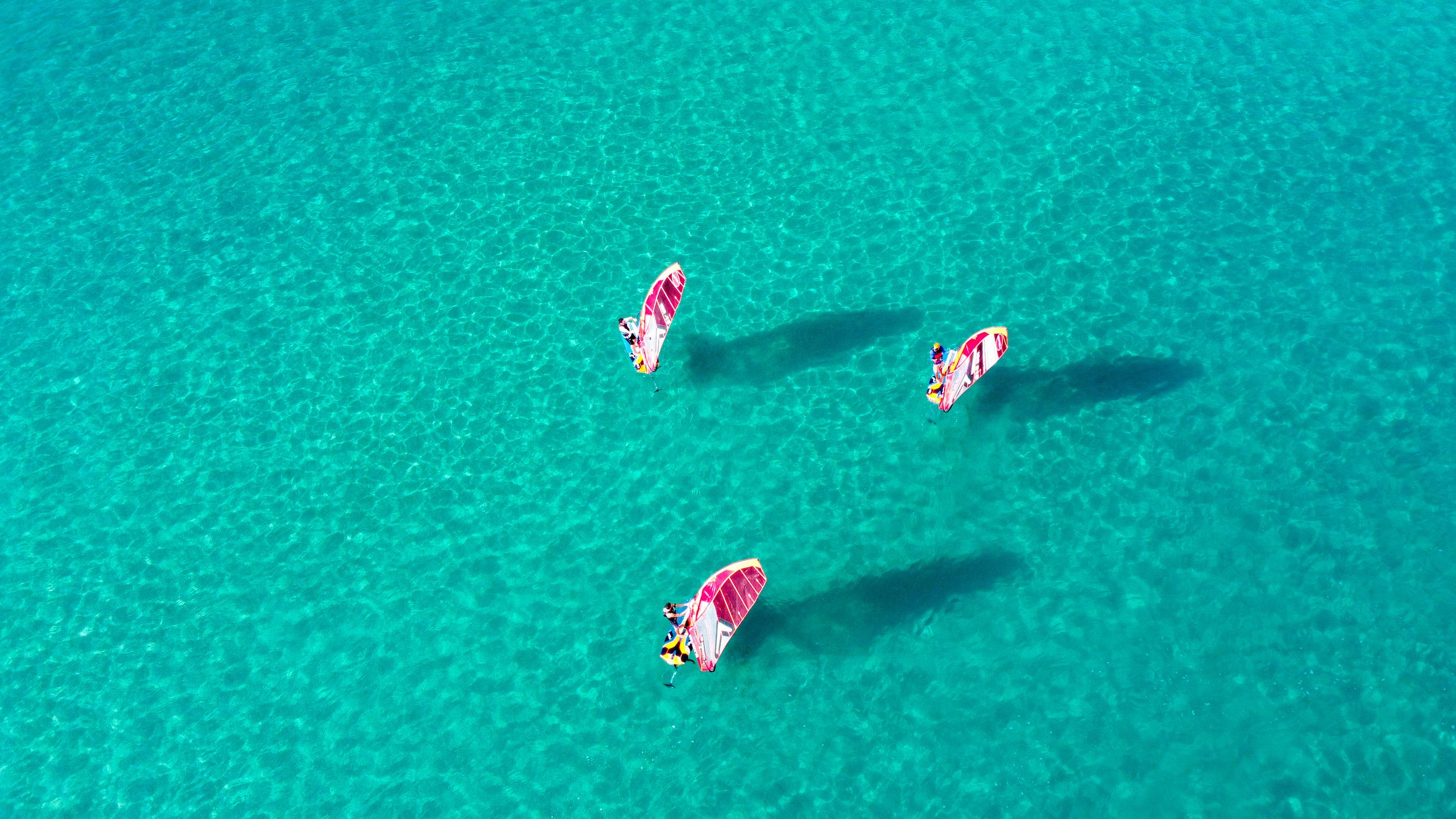 Photo credit on Pexels
Kos, Greece
The Greek island of Kos in the Dodecanese offers excellent summer kitesurfing with the charm and cuisine of the Greek islands. The Meltemi wind (a strong northerly wind in the Aegean) blows reliably from June through September, providing consistent 15-25 knot conditions. Mastichari beach on the northwest coast is the primary kite spot, with a wide sandy beach and side-onshore wind. The turquoise water and island backdrop make for an incredibly scenic riding experience.
Wind season: June through September Best for: Intermediate riders. Beginners should look for schools with flat-water teaching areas. Lesson costs: Group lessons from 60-80 euros for 3 hours. Private lessons from 90-120 euros. Gear rental: Full setup from 50-70 euros per day. Where to stay: Budget hotels from 30 euros per night. Apartments from 40-60 euros. All-inclusive resorts from 80 euros. Daily budget: 45-65 euros (budget), 80-120 euros (comfort)
Jericoacoara, Brazil
“Jeri” is another northeastern Brazilian gem, offering a more relaxed, hippie vibe than Cumbuco. The town is accessible only by 4x4 vehicle through sand dunes, which keeps it relatively unspoiled despite its growing popularity. The wind conditions are similar to Cumbuco, with reliable trades from July through December. The flat-water lagoons (especially Lagoa do Paraiso and Lagoa Azul) are world-famous for their beauty and perfect learning conditions.
Wind season: July through December Best for: All levels. The lagoons are among the best learning spots in the world. Lesson costs: Group lessons from $30-40 for 2-3 hours. Gear rental: Full setup from $30-40 per day. Where to stay: Hostels from $12-18 per night. Pousadas from $25-45. Daily budget: $30-45 (budget), $60-90 (comfort)
Essaouira, Morocco
Essaouira is where Moroccan culture meets Atlantic wind. This fortified coastal city has been attracting windsport enthusiasts for decades, and in recent years, kitesurfing has overtaken windsurfing as the dominant water sport. The main beach stretches for miles south of the medina, with consistent side-onshore wind driven by the Alizee trade winds. The old town itself is a UNESCO World Heritage Site, making Essaouira one of the most culturally rich kitesurfing destinations in the world.
Wind season: April through September (strongest June-August) Best for: Intermediate riders. Strong, gusty wind can be challenging for beginners. Lesson costs: Group lessons from $40-50 for 3 hours. Gear rental: Full setup from $35-50 per day. Where to stay: Riads (traditional guesthouses) from $15-30 per night. Hotels from $30-60. Daily budget: $30-45 (budget), $60-90 (comfort)
Boracay, Philippines
Bulabog Beach in Boracay transforms into Asia’s premier kitesurfing spot during the Amihan season (November through April). The northeast monsoon wind blows consistently onshore, creating ideal conditions for flatwater riding and learning. The Philippines offers incredible value for money, with some of the cheapest accommodation and food costs of any major kitesurfing destination.
Wind season: November through April Best for: Beginners and intermediate riders Lesson costs: Group lessons from $40-60 for 3 hours. Gear rental: Full setup from $30-50 per day. Where to stay: Hostels from $8-12 per night. Beach hotels from $25-40. Daily budget: $25-40 (budget), $50-80 (comfort)
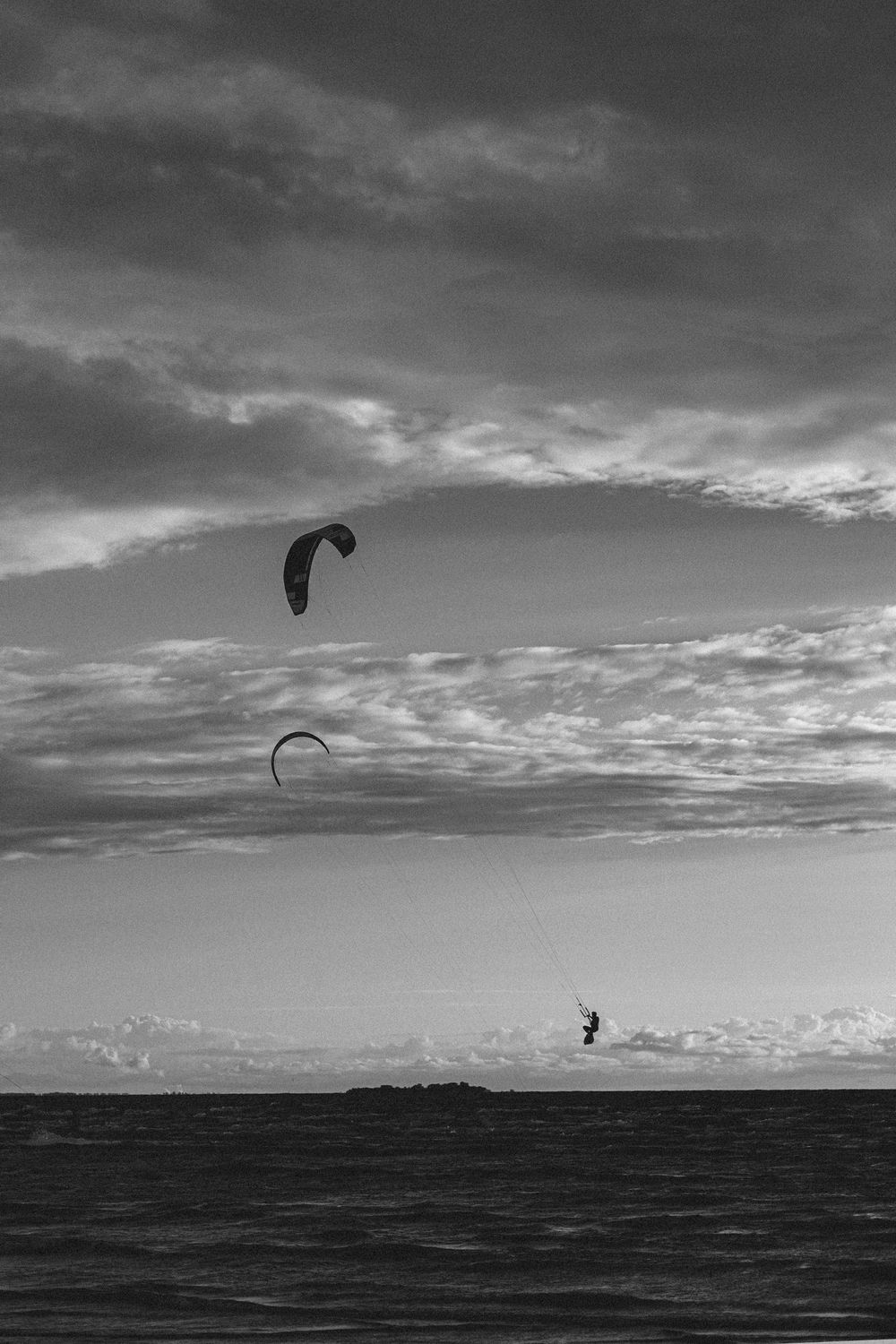 Photo credit on Pexels
Mui Ne, Vietnam
Mui Ne, a coastal town in southern Vietnam, has been on the kitesurfing radar for years. The northeast monsoon (November-April) brings reliable 15-25 knot wind to the wide, sandy beach, and the cost of living here is astonishingly low. Wind season: November through April Best for: Beginners (wide beach, onshore wind) and wave riders (when swell is present) Lesson costs: Group lessons from $40-50 for 3 hours. Full beginner courses from $200-350. Gear rental: Full setup from $25-40 per day. Where to stay: Guesthouses from $5-10 per night. Mid-range hotels from $15-30. Daily budget: $20-30 (budget), $40-60 (comfort)
Gear Guide: What You Need and What It Costs
Buying Your Own Kit
Once you are hooked (and you will be), buying your own gear opens up a world of flexibility. Here is what a complete kit costs:
| Equipment | New | Used |
|---|---|---|
| Kite (one size) | $1,000-1,800 | $400-900 |
| Board | $400-800 | $150-400 |
| Bar and lines | $400-600 | $200-350 |
| Harness | $150-300 | $60-150 |
| Wetsuit (3/2mm) | $150-350 | $50-150 |
| Safety leash | $40-80 | $20-40 |
| Total | $2,140-3,930 | $880-1,990 |
Pro Tip: Buy used gear for your first setup. The kitesurfing secondhand market is active, and you can find quality equipment at 40-50% of retail price. Check forums like Kiteforum.com, Facebook marketplace groups, and local kite school bulletin boards. For gear reviews, REI’s expert advice section covers water sport essentials.
Traveling with Kite Gear
Most kitesurfers travel with their gear in a large board bag. Airlines generally treat kite equipment as sports equipment, with most charging $30-100 each way. Some airlines (particularly budget carriers) have more restrictive policies, so check before booking. Packing tip: Deflate your kite completely and fold it carefully. Roll bars and lines separately. Protect your board with bubble wrap or a padded board bag.
Monthly Wind Calendar: When to Go Where
| Month | Best Destinations |
|---|---|
| January | Cape Town, Boracay, Mui Ne, Dakhla |
| February | Cape Town, Boracay, Mui Ne |
| March | Dakhla, Boracay, Mui Ne |
| April | Dakhla, Essaouira |
| May | Dakhla, Tarifa, Essaouira |
| June | Tarifa, Kos, Dakhla, Essaouira |
| July | Tarifa, Kos, Cumbuco, Jeri, Dakhla |
| August | Tarifa, Kos, Cumbuco, Jeri |
| September | Tarifa, Cumbuco, Jeri |
| October | Cape Town, Cumbuco, Jeri |
| November | Cape Town, Boracay, Mui Ne |
| December | Cape Town, Boracay, Mui Ne, Cumbuco |
Budget Comparison: Cost Per Week
| Destination | Lessons (5 days) | Accommodation | Food | Total Week |
|---|---|---|---|---|
| Mui Ne | $200 | $50 | $70 | $320 |
| Cumbuco | $250 | $100 | $100 | $450 |
| Cape Town | $300 | $120 | $100 | $520 |
| Dakhla | $350 | $250 | $100 | $700 |
| Boracay | $350 | $80 | $80 | $510 |
| Tarifa | $400 | $180 | $200 | $780 |
| Kos | $450 | $250 | $200 | $900 |
Getting Started: Tips for Beginners
-
Take lessons. Kitesurfing is not a sport you should try to teach yourself. The kite generates enormous power, and without proper training, you can injure yourself or others. The International Kiteboarding Association certifies instructors worldwide — look for IKO-certified schools. Budget for at least 9-12 hours of instruction.
-
Start in flat, shallow water. Destinations like Dakhla, Cumbuco, and Boracay offer lagoons where you can stand up if things go wrong.
-
Learn to body drag before riding. Your instructor will teach you to control the kite while being dragged through the water before you ever stand on a board. This is essential.
-
Respect the wind window. Understanding how the kite generates power based on its position is the single most important concept in kitesurfing.
-
Never kite alone. And make sure you have packed properly using our adventure gear guide. Always ride with a buddy or in an area with other kiters who can help if something goes wrong.
Kitesurfing is one of the fastest-growing adventure sports in the world, and in 2026, the combination of affordable destinations, improving gear technology, and a welcoming global community makes it more accessible than ever. Pick a destination from this list, book your lessons, and prepare to have your concept of what is possible on water completely redefined. For more savings tips, see our budget adventure travel guide.
Related Reading
Get the best ThrillStays tips in your inbox
Weekly guides, deals, and insider tips. No spam, unsubscribe anytime.